The News

Saturday, October 26, 2024

Cases of walking pneumonia are surging in kids this year, CDC reports

October 26, 2024 0

 Children who have coughs that go on for weeks may have a type of walking pneumonia that’s been surging in the US this year, and they may need a different antibiotic regimen to treat it, infectious disease experts say.


“It’s very much been on our radar since early summer, when we started to see a remarkable increase in the number of kids with pneumonia who seemed to have this particular type of pneumonia,” said Dr. Buddy Creech, a pediatric infectious disease specialist at Vanderbilt University Medical Center.

Creech says that on the same day in August, four Nashville-area pediatricians reached out to him to ask why so many kids were coughing in the summertime. These doctors wanted advice, he says, because their go-to antibiotic for pneumonia – amoxicillin – didn’t seem to be working in these cases.

The pneumonia is caused by tiny Mycoplasma pneumoniae bacteria and cases are spiking this year, particularly among preschool-age children, according to the US Centers for Disease Control and Prevention, which sent a bulletin alerting parents and doctors to the uptick last week.

Mycoplasma pneumonia is the latest entry on a growing list of lung infections keeping doctors on their toes this fall. Whooping cough, or pertussis, cases – which also cause a prolonged cough – are five times higher than they were at this time last year, and respiratory syncytial virus, or RSV, is also rising in parts of the US.

In the past, it’s been difficult to test for Mycoplasma. It’s not a germ that likes to grow in a Petri dish, which is the standard, if slow, way to test for bacterial infections.

Now, Creech says, better diagnostic tests are making it easier to detect these bacteria more quickly and reliably. With so many germs making kids cough this fall, it’s crucial that doctors use these new tests to get the right diagnosis, he said.

“This is the exact time where we need to be using these diagnostic tests that can guide treatment,” he said.
Awareness of the Mycoplasma trend is important, the CDC says, since first-line antibiotics for kids such as amoxicillin and penicillin don’t kill this type of bacteria. The infection is usually easily treated with other antibiotics, however, such as azithromycin.

According to the CDC, which monitors discharge data from a network of hospitals as well as test results from commercial laboratories, the number of children ages 2 through 4 who were seen in the ER for pneumonia and who tested positive for Mycoplasma increased from 1% in April 2024 to 7.2% in early October, a sevenfold increase. Diagnoses in older kids doubled over the same time frame, increasing from 3.6% to 7.4%.

The CDC said Mycoplasma cases seem to have peaked in mid-August, but they remain high. Creech said he expects they will continue to be high for another month or so, then should begin to taper off later into the fall.

On an X-ray, Mycoplasma infections can give lungs a cloudy or “white lung” appearance.

Last year, China, Denmark and France all reported increases of this kind of pneumonia in kids.

The rise in cases is probably due to at least three factors, said Dr. Geoffrey Weinberg, a pediatric infectious disease specialist at the University of Rochester Medical Center.

The first is that rates of Mycoplasma infections are returning to where they were before the Covid-19 pandemic.

“It seems very dramatic now, but it’s more because during the peak of the Covid pandemic, just about everything else went down,” Weinberg said. “But the actual countrywide rates are fairly similar to what it was before 2019.”

The second reason is that most infections cycle, so some years are worse than others. Doctors tend to see spikes of Mycoplasma pneumonia every 3 to 7 years, as people lose their immunity to the virus, Creech said.

“Sometimes you just have a bad year, combined with not noticing it for a while, now we’re getting it more,” Weinberg said. Having a lot of cases after not having many at all can make the spike feel even bigger, he added.

The third reason is that doctors have more advanced tests – called multiplex tests – that can check for multiple types of viruses and bacteria at the same time, so it could be that this infection is just getting picked up more often.

Mycoplasma pneumoniae are bacteria that travel through respiratory droplets. People catch them when they’re near another person’s coughs and sneezes, the CDC said. For that reason, this type of pneumonia easily spreads through crowded settings like schools, college residence halls and nursing homes.

These bacteria are tricky too because they hang around for a while – from one to four weeks in the body – before they make a person sick. By the time symptoms start, a person usually has little memory of what they may have been exposed to.

Get CNN Health's weekly newsletter

Mycoplasma infections start off pretty generically, with a headache, a sore throat, a low fever and chills. People often feel crummy but can still get around, hence the term “walking pneumonia.”

The cough is typically a dry cough, without phlegm. It starts gradually and slowly increases over a period of two to three weeks, becoming almost constant.

Not everyone who gets a Mycoplasma infection will need treatment. Weinberg says that as many as 75% of kids and young adults will get over it without any therapy.

Sometimes, however, the infection will exacerbate pre-existing conditions like asthma and make people seriously ill.

Rarely, these germs can travel outside the lungs. In the central nervous system, they can infect the lining of the brain and spinal cord. The bacteria can also infect the nerves of the eyes, as well as the ones that control the legs and bladder. These patients may not ever develop a cough.

Read More

Washington Post' won't endorse in White House race for first time since 1980s

October 26, 2024 0

 Even though the presidential race between former President Donald Trump and Vice President Kamala Harris is neck and neck, The Washington Post has decided not to make a presidential endorsement for the first time in 36 years, the publisher and CEO announced Friday.


"We are returning to our roots of not endorsing presidential candidates," Will Lewis wrote in an opinion piece published on the paper's website. He referenced the paper's policy in the decades prior to 1976, when, following the Watergate scandal that the Post broke, it endorsed Democratic nominee Jimmy Carter. The last time the Post did not endorse a presidential candidate in the general election was 1988, according to a search of its archives.

Colleagues learned the news from the editorial page editor, David Shipley, at a tense meeting shortly before Lewis' announcement. The meeting was characterized by two people with direct knowledge of discussions on condition of anonymity to speak about internal matters.

Shipley had approved an editorial endorsement for Harris that was being drafted earlier this month, according to three people with direct knowledge. He told colleagues the decision to endorse was being reviewed by the paper's billionaire owner, Jeff Bezos. That's the owner's prerogative and is a common practice.

On Friday, Shipley said that he told other editorial board leaders on Thursday that management had decided there would be no endorsement, though Shipley had known about the decision for a while. He added that he "owns" this outcome. The reason he cited was to create "independent space" where the newspaper does not tell people for whom to vote.

Colleagues were said to be "shocked" and uniformly negative. Editor-at-large Robert Kagan, who has been highly critical of Trump as autocratic, told NPR he had resigned from the editorial board as a consequence.

Former Washington Post Executive Editor Martin Baron, who led the newsroom to acclaim during Trump's presidency, denounced the decision starkly.

Read More

Friday, October 25, 2024

FDA recalls over 7,000 bottles of antidepressant due to possible cancerous chemical

October 25, 2024 0

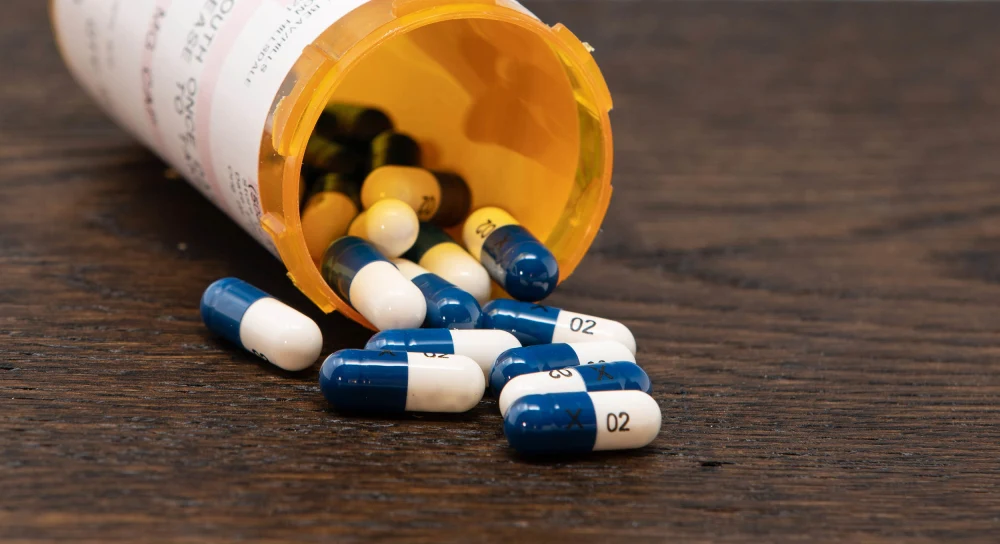
 The Food and Drug Administration has announced a recall for thousands of bottles of the antidepressant duloxetine, sold under brand names like Cymbalta, due to the presence of a chemical that can potentially cause cancer.


The recall went into effect on Oct. 10. More than 7,100 bottles of the medication have been recalled.

Here’s everything you need to know.

Why is there a duloxetine recall?

The FDA says there is the “presence of nitrosamine drug substance related impurity (NDSRI), N-nitroso-duloxetine, above the proposed interim limit.

FDA, in collaboration with regulatory counterparts around the world, has set internationally-recognized acceptable daily intake limits for nitrosamines. Nitrosamines below this level are acceptable in drugs,” the FDA says on its website. “If drugs contain levels of nitrosamines above the acceptable daily intake limit, FDA recommends these drugs be recalled by the manufacturer.”

“Nitrosamine impurities may increase the risk of cancer if people are exposed to them above acceptable levels and over long periods of time,” the agency adds, “but a person taking a drug that contains nitrosamines at-or-below the acceptable daily intake limits every day for 70 years is not expected to have an increased risk of cancer.” 

What kind of recall is this?

The FDA is calling this a Class II recall. That is considered “a situation in which use of or exposure to a violative product may cause temporary or medically reversible adverse health consequences or where the probability of serious adverse health consequences is remote,” according to the FDA.

What is being recalled?

The recall is lot No. 220128, with an expiration date of December 2024.

What should you do if you have pills that have been recalled?

The FDA recommends on its website contacting your pharmacy to confirm if your medicine is indeed part of a recall. If it was, you can speak to your pharmacist to figure out what to do and whether you should look for an alternative medication.

“The FDA encourages patients to talk to their health care professional if they have questions about their medicine, as the risks of stopping their medicine may outweigh the potential risk of exposure to nitrosamines. The FDA and the international scientific community do not expect nitrosamines to cause harm when ingested at low levels,” the agency says.

Read More

Chicago rapper Lil Durk charged in murder-for-hire plot: court records

October 25, 2024 0

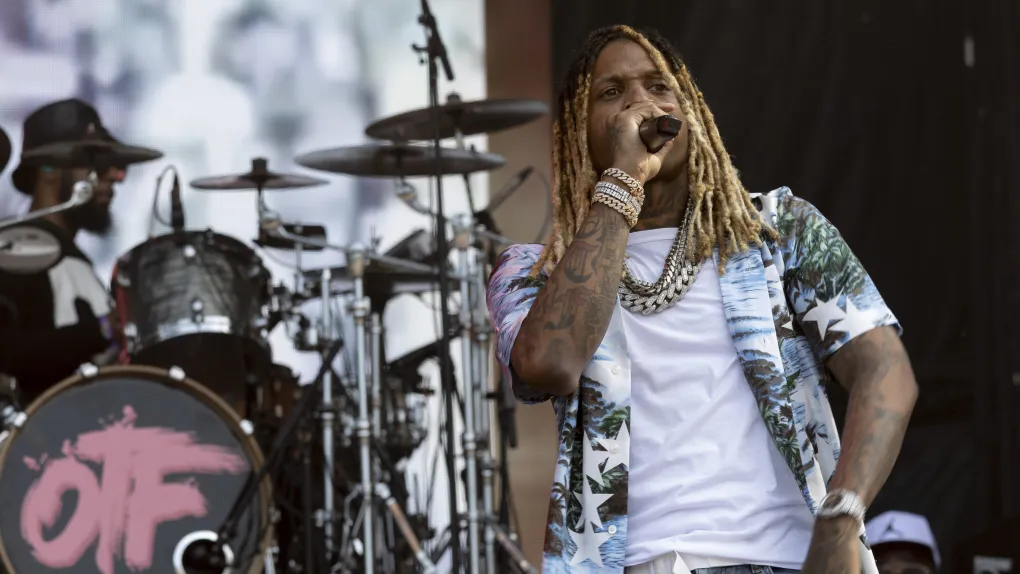
 Chicago rapper and Englewood native Lil Durk, born Durk Banks, was arrested in Florida Thursday in connection with an alleged murder-for-hire plot, according to records from the Broward County sheriff’s office.


Banks, 32, was held in the Broward County Jail as of early Friday, records show, but the exact nature of the charges remained unclear. A representative for Lil Durk could not be reached Friday morning.


Banks was arrested the same day that federal prosecutors in California announced charges against five other men, all with ties to Chicago gangs, in the attempted murder of Georgia rapper Quando Rondo, born Tyquian Terrel Bowman. That shooting, carried out at a Los Angeles gas station in August 2022 and captured on surveillance video, took the life of Quando Rondo’s cousin, Saviay’a Robinson.


The charges include conspiracy to commit murder-for-hire, committing murder-for-hire involving a death, and use of a machine gun in a violent crime resulting in death. The most serious charge carries up to the death penalty if convicted.


The indictment alleges that all five have ties to “Only the Family,” also known as OTF, a hip-hop collective founded by Lil Durk, a mentor of King Von. The flights and rental cars were paid for with credit cards linked to OTF, according to prosecutors.

OTF was founded by Lil Durk more than a decade ago as Chicago’s drill rap scene was gaining international attention. Federal prosecutors say the group primarily “produced and sold hip hop music” from artists from Chicago.


FBG Duck, the Chicago drill rapper, was killed in a hail of gunfire on Oak Street in 2020, and his death led to the convictions of several men in a federal conspiracy trial last January. Earlier this month, FBG Duck’s mother filed a lawsuit alleging Lil Durk, OTF and King Von were involved in the shooting, as well. The lawsuit alleges that OTF operates as a criminal enterprise.


Lil Durk is among the most successful drill rappers to come out of Chicago since the genre first gained a foothold. Also popularized by Chief Keef, G Herbo and other artists, drill is hallmarked by hyper-violent lyrics that often revolve around — and sometimes worsen — feuds between gang factions.

Read More

Thursday, October 24, 2024

U.S. Study on Puberty Blockers Goes Unpublished Because of Politics, Doctor Says

October 24, 2024 0

 A prominent doctor and trans rights advocate admitted she deliberately withheld publication of a $10 million taxpayer-funded study on the effect of puberty blockers on American children — after finding no evidence that they improve patients’ mental health.


Dr. Johanna Olson-Kennedy told the New York Times that she believes the study would be “weaponized” by critics of transgender care for kids, and that the research could one day be used in court to argue “we shouldn’t use blockers.”

Critics – including one of Olson-Kennedy’s fellow researchers on the study — said the decision flies in the face of research standards and deprives the public of “really important” science in a field where Americans remain firmly divided.

Dr. Johanna Olson-Kennedy, who headed up the nine-year, $10 million study, told the New York Times she has not published the results because she fears they could be “weaponized” by opponents of trans healthcare for children.
Getty Images

For the National Institutes of Health-funded study, researchers chose 95 kids — who had an average age of 11 — and gave them puberty blocking drugs starting in 2015. The treatments are meant to delay the onset of bodily changes like the development of breasts or the deepening of the voice.

After following up with the youths for two years, the treatments did not improve the state of their mental health, which Olson-Kennedy chalked up to the kids being “in really good shape” both when they started and concluded the two-year treatment.

However, the Times points out her rosy assessment contradicts earlier data recorded by the researchers which found around one-quarter of study participants “were depressed or suicidal” before receiving treatment.

The result also does not support the findings of a 2011 Dutch study, which is the primary scientific research cited by proponents of giving kids puberty blockers. That study of 70 kids found that children treated with puberty blockers reported better mental health and fewer behavioral and emotional problems.

Olson-Kennedy, the outlet points out, is one of the country’s leading advocates for providing gender-affirming care to adolescents, and regularly provides expert testimony in legal challenges to state bans on such procedures, which have taken root in more than 20 states.

The study recruited 95 American children — with an average age of 11 — from around the country. After two years, the results found no significant improvements to their mental health.
Getty Images

When asked by the Times why the results have not been made public after nine years, she said, “I do not want our work to be weaponized,” adding, “It has to be exactly on point, clear and concise. And that takes time.”

She then flat-out admitted she was afraid the lack of mental health improvements borne out by the study could one day be used in court to argue “we shouldn’t use blockers.”

A Washington Post-KFF Trans in America survey found that 68% of US adults are against providing puberty blockers to trans-identifying youth age 10-14, and 58% oppose hormone treatments for those aged 15-17.

Boston College clinical and research psychologist Amy Tishelman, who was one of the original researchers on the study, pointed out the obvious contradiction in withholding scientific evidence on the grounds that it doesn’t match an expected conclusion.

“I understand the fear about it being weaponized, but it’s really important to get the science out there,” she told the outlet.

Read More